

Understanding the Differences in Modern Fire Response
When a small fire breaks out at home, in a vehicle, or near battery-powered equipment, people often ask the same question:
What’s the right tool to use — a fire blanket, a fire extinguisher, or a modern fire suppressant like ZUFF?
Each option has a role, but they are designed for different fire behaviors, environments, and user situations. This article provides a clear, practical comparison to help you understand where each solution fits within a modern fire safety plan.
Overview: Three Very Different Approaches
Tool | Core Method | Typical |
Blanket | Smothering | Small surface fires, clothing fires |
Fire Extinguisher | Chemical or gas discharge | Broad fire classes, trained use |
ZUFF | Targeted suppressant application | Small, early-stage modern fires |
None of these tools is universally “best.” Their effectiveness depends on fire type, size, location, and user response time.
Fire Blankets
How Fire Blankets Work
Fire blankets suppress flames by:
- Covering the fire
- Cutting off oxygen
- Containing flames in a confined area
They are typically made from fire-resistant materials such as fiberglass.
Where Fire Blankets Are Effective
Fire blankets are commonly used for:
- Small cooking fires
- Clothing fires
- Flat surface fires where full coverage is possible
They work best when:
- The fire is small and accessible
- The blanket can be placed fully over the flame source
- The user can approach the fire safely
Limitations of Fire Blankets
Fire blankets may be less effective when:
- The fire source is three-dimensional or enclosed
- Flames originate inside devices or battery packs
- Heat remains trapped after smothering
- The fire is not easily reachable
Battery-related fires, in particular, may continue generating heat even after visible flames are covered.
Fire Extinguishers
How Fire Extinguishers Work
Traditional extinguishers suppress fires by:
- Displacing oxygen (CO₂)
- Interrupting combustion (dry powder)
- Cooling (water or foam, where appropriate)
They are rated by fire class (A, B, C, etc.) and are widely required by safety regulations.
Where Fire Extinguishers Are Effective
Fire extinguishers are suitable for:
- Larger fires than blankets can handle
- Situations where fire class is clearly identified
- Users trained or familiar with proper operation
They remain a critical part of fire safety infrastructure.
Limitations of Fire Extinguishers
In real-world, small-fire scenarios:
- Extinguishers can be bulky or hard to access quickly
- High-pressure discharge may scatter burning material
- Residue can damage electronics and surroundings
- Misuse is common under stress
For small battery fires, extinguishers may suppress flames temporarily but not address internal heat, increasing the risk of re-ignition.
ZUFF
How ZUFF Is Designed to Work
ZUFF is a compact fire suppressant designed to:
- Be quickly accessible
- Apply suppressant directly to a small fire source
- Help reduce flames and heat in early-stage incidents
It is intended for consumer environments where fires are:
- Small
- Localized
- Detected early
Where ZUFF Fits Best
ZUFF is suited for:
- Small battery-related fires
- Home and vehicle use
- Confined spaces where precision matters
- Situations where users need a simple, low-force response
Its compact format allows placement closer to risk points, such as charging areas or vehicles.
Important Limitations
ZUFF is:
- Intended only for small, early-stage fires
- Not a replacement for certified fire extinguishers
- Not designed for large or spreading fires
- Not a substitute for emergency services
As with any fire safety product, correct use and realistic expectations are essential.
Side-by-Side Comparison
Factor | Fire Blanket | Fire Extinguisher | ZUFF |
Best for | Flat, surface fires | Broad fire classes | Small, modern fire risks |
Ease of use | Simple | Moderate–complex | Simple |
Residue | None | Often significant | Minimal |
Cooling effect | Limited | Variable | Localized |
Storage size | Medium | Large | Compact |
Battery fire suitability | Limited | Mixed | Designed for early-stage use |
Choosing the Right Tool: A Layered Approach
Modern fire safety is not about choosing one tool over another — it’s about layering protection.
A well-prepared environment may include:
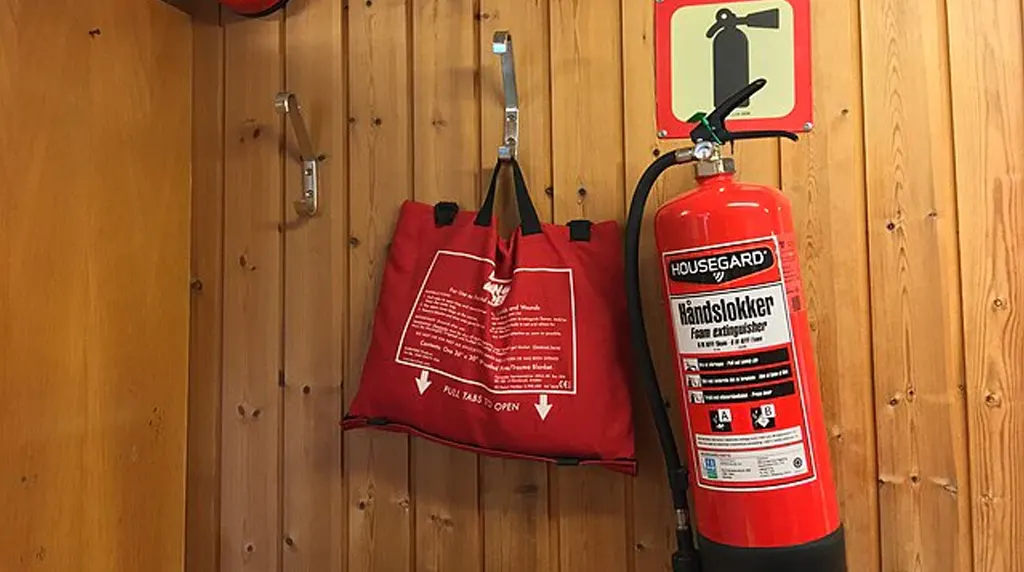
- A certified fire extinguisher for larger incidents
- A fire blanket for surface and clothing fires
- A compact suppressant like ZUFF for fast response to small, modern fire risks
Each tool covers a different gap.
Final Thoughts
Fire blankets, fire extinguishers, and ZUFF all serve legitimate purposes — but they are not interchangeable.
Understanding their strengths and limitations helps ensure:
- Faster response
- Lower risk of escalation
- Better outcomes in real-world situations
As fire risks evolve alongside technology, so too must the tools we rely on.
About ZUFF
ZUFF develops compact fire suppression solutions designed to help address small, early-stage fires commonly associated with modern, battery-powered environments.
ZUFF products are intended to complement existing fire safety equipment, not replace it.