


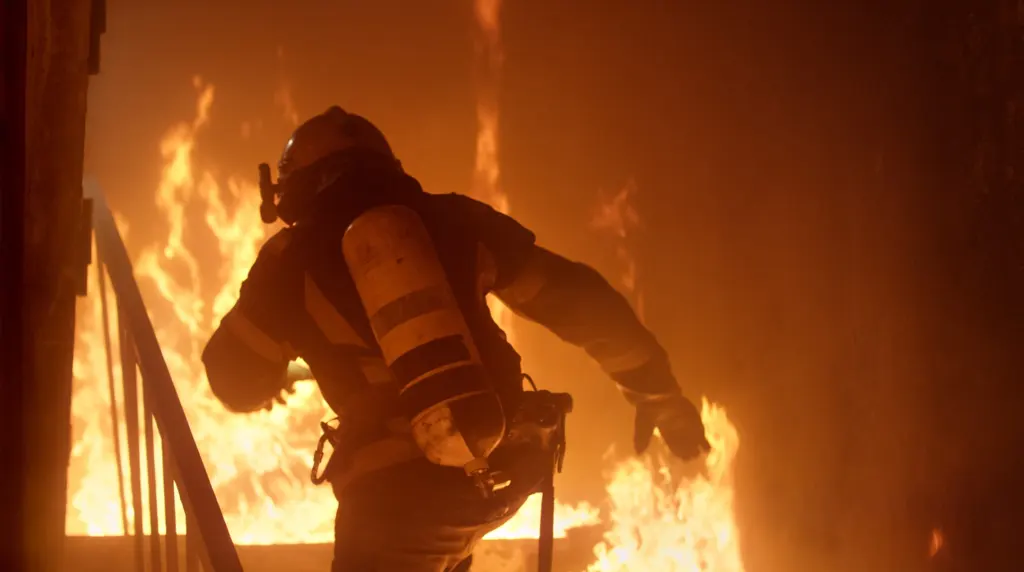
Fire brigades around the world increasingly respond to incidents involving lithium battery fires — from phones and laptops to e-bikes and power tools. While procedures may vary by country, fire services consistently communicate core principles for safely handling battery fires at home.
This article summarizes the shared recommendations in a clear andthose shared recommendations in a clear, practical way.
1. Personal Safety Comes First
Fire brigades consistently stress that:
- Personal safety is the priority
- Property is secondary
- Early evacuation is often the safest choice
If a battery fire is spreading rapidly, producing heavy smoke, or blocking exits, fire services advise:
- Leaving immediately
- Closing doors behind you if possible
- Calling emergency services from a safe location
2. Treat Battery Fires as Unpredictable
Fire services caution that battery fires:
- Can escalate quickly
- May flare up after appearing controlled
- Behave differently from ordinary household fires
Because of this unpredictability, brigades recommend err on the side of caution, especially indoors.
3. Act Early — But Only If It Is Safe
Fire brigades often advise that early-stage intervention may help only if:
- The fire is small and localized
- There is a clear escape route
- The person intervening is not exposed to smoke or heat
If these conditions are not met, intervention is not advised.
4. Focus on Limiting Spread and Heat
Brigades emphasize that:
- Visible flames are only part of the hazard
- Heat inside the battery can remain extreme
- Re-ignition is common
As a result, fire services often recommend:
- Reducing heat where possible
- Preventing fire spread to nearby materials
- Maintaining distance even after flames subside
5. Be Cautious With Water and Other Agents
Guidance varies by situation, but fire brigades consistently warn:
- Never put yourself at risk to apply suppression
- Do not assume one method permanently stops the fire
- Be aware that electrical hazards may initially existexist initially
Fire services do not recommend improvised or untrained responses in confined spaces.
6. Avoid Handling the Battery Directly
Fire brigades advise:
- Do not touch damaged batteries with bare hands
- Do not move them unless absolutely necessary and safe
- Avoid placing them near combustible materials
A battery that looks inactive may still be unstable.
7. Ventilation and Smoke Awareness Are Critical
Fire brigades highlight that battery fires can produce:
- Dense smoke
- Irritating or toxic gases
They recommend:
- Keeping distance from smoke
- Ventilating only if it can be done safely
- Treating lingering smoke as a hazard
8. Monitor for Re-Ignition
Fire services frequently note that:
- Battery fires may restart
- Monitoring is essential even after suppression
- Devices should be isolated and observed if safe
Re-ignition can occur long after the initial incident.
9. Prevention Is the Most Effective Strategy
Fire brigades repeatedly emphasize prevention, including:
- Charging devices on non-flammable surfaces
- Avoiding overnight charging where possible
- Not charging damaged or swollen batteries
- Using manufacturer-approved chargers
- Keeping escape routes clear
Prevention reduces the need for emergency response.
10. Know When to Step Back
A key message from fire brigades is knowing when not to intervene.
They advise:
- Do not attempt to fight a fire beyond your capacity
- Do not delay calling emergency services
- Do not assume control equals safety
Professional response exists for a reason.
Final Thoughts
Fire brigades recommend a measured, safety-first approach to battery fires at home:
- Act early only if safe
- Expect unpredictability
- Prioritize evacuation
- Monitor closely for re-ignition
- Focus on prevention above all
Battery fires are a modern risk — and modern fire safety depends on realistic understanding, not overconfidence.
About ZUFF
ZUFF develops compact fire suppression solutions designed to help address small, early-stage battery fire incidents.
ZUFF products are intended to complement traditional fire safety equipment, not replace certified extinguishers or professional emergency response.