


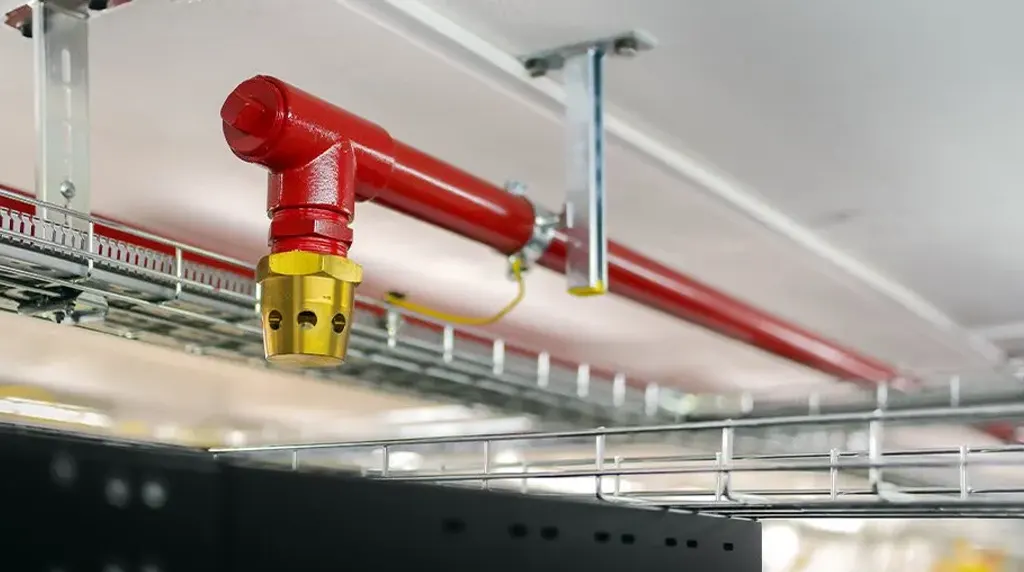
Fire safety in the home is about reducing risk, not introducing new hazards. One area that often receives less attention is the delivery method of fire suppression — specifically, whether a product is pressurized or non-pressurized.
Understanding the differences helps households make informed choices about how fire safety tools fit into everyday living spaces.
What Is Pressurized Fire Suppression?
Pressurized fire suppression products store extinguishing agents under pressure, commonly using:
- Compressed gas
- Chemical propellants
- Mechanical pressure systems
When activated, pressure forces the suppressant out rapidly.
Pressurized systems are widely used and effective in many settings, particularly where trained users and controlled storage conditions are available.
What Is Non-Pressurized Fire Suppression?
Non-pressurized fire suppression relies on:
- Heat-activated mechanisms
- Chemical reactions that occur only during use
- Passive or low-energy activation methods
These products:
- Do not store energy under pressure
- Remain inert until exposed to fire or high heat
- Typically have simpler mechanical structures
This design difference affects safety in everyday environments.
Why Stored Pressure Matters in Homes
Homes are dynamic environments:
- Temperature fluctuates
- Storage conditions vary
- Users are often untrained
- Products may be kept for years without use
Fire safety experts often consider stored pressure a factor in household risk because:
- Pressurized containers can degrade over time
- Improper storage can affect reliability
- Accidental discharge, while rare, is possible
- Physical damage may compromise safety
Non-pressurized products eliminate these stored-energy risks.
Reduced Mechanical Failure Risk
Without internal pressure:
- There is no pressure vessel to rupture
- Fewer seals and valves are required
- Long-term storage stability is often simpler
This can be advantageous in homes where products are:
- Stored in cupboards or vehicles
- Exposed to seasonal temperature changes
- Rarely inspected or maintained
Safer Handling for Untrained Users
Most home occupants are not fire safety professionals.
Non-pressurized designs may:
- Reduce the risk of sudden force or recoil
- Simplify activation under stress
- Lower the chance of improper discharge
Ease of handling matters when seconds count.
Lower Risk During Transport and Storage
Because they do not contain stored pressure:
- Non-pressurized products are often easier to transport
- There is reduced concern about pressure-related leakage
- Storage regulations may be simpler
This is particularly relevant for apartments, vehicles, and shared spaces.
Not a Replacement for Certified Extinguishers
It is important to be clear:
- Non-pressurized suppression is not a substitute for certified fire extinguishers
- Pressurized extinguishers remain essential for many fire scenarios
- Fire safety works best as a layered system
Non-pressurized tools are best understood as complementary — not superior.
Choosing the Right Tool for the Home
When evaluating home fire safety tools, experts recommend considering:
- Who will use the product
- Where it will be stored
- How often it will be maintained
- What risks it is intended to address
In many homes, reducing complexity and stored energy improves overall safety.
Why Education Matters
Fire safety products are only as safe as their use and understanding.
Knowing:
- How a product works
- What risks it reduces
- What risks it does not address
helps households integrate it responsibly into their fire safety plan.
Final Thoughts
Non-pressurized fire suppression can offer practical safety advantages in home environments by reducing stored energy, simplifying handling, and lowering mechanical risk.
Used correctly and alongside certified fire safety equipment, it can contribute to a safer, more balanced approach to household fire protection.
About ZUFF
ZUFF develops non-pressurized, compact fire suppression solutions designed to help address small, early-stage fires commonly associated with modern home environments.
ZUFF products are intended to complement certified fire safety equipment, not replace professional emergency response.