

Fire safety doesn’t have to be complicated.
With a few simple habits and some basic knowledge, families can greatly reduce the risk of fire — and know what to do if one starts.
This page is designed to help parents, children, and caregivers understand fire safety in a clear and practical way.
Why Fire Safety Matters at Home
Most home fires start from everyday activities:
- Cooking
- Charging devices
- Using heaters or candles
- Electrical problems
Learning simple safety steps helps protect:
- People
- Pets
- Homes
- Belongings
The goal is prevention first, calm response second.
Fire Safety Rules Every Family Should Know
🔹 1. Keep Fire Away from Children
- Matches and lighters should be out of reach
- Children should never play with flames or hot objects
- Explain fire safety in calm, age-appropriate language
🔹 2. Charge Devices Safely
- Charge phones and tablets on hard, flat surfaces
- Avoid charging on beds, sofas, or pillows
- Unplug chargers when not in use
- Stop using damaged or swollen batteries
🔹 3. Be Careful in the Kitchen
- Never leave cooking unattended
- Keep flammable items away from the stove
- Turn pot handles inward
- Keep children a safe distance from hot surfaces
🔹 4. Use Heaters and Candles Wisely
- Keep heaters away from curtains and furniture
- Never leave candles burning unattended
- Blow out candles before leaving the room or going to sleep
What To Do If a Small Fire Starts
Stay Calm
Panicking makes it harder to act safely.
Get to Safety First
- Make sure everyone knows where the exits are
- Never block escape routes
- If the fire is spreading, leave immediately
For Small, Early Fires (Adults Only)
- Only act if it is safe
- Keep a clear path to the exit
- Use appropriate fire safety tools if available
- Never put yourself in danger
Children should never try to stop a fire themselves.
Smoke Is Dangerous
Smoke can be harmful even if flames look small.
Teach children:
- Stay low if there is smoke
- Cover mouth and nose if possible
- Leave the building quickly
Install smoke alarms and test them regularly.
What To Do After a Fire Is Out
Even if flames stop:
- The area may still be hot
- Batteries and devices can reignite
- Smoke may linger
Keep distance and continue monitoring.
If in doubt, contact emergency services.
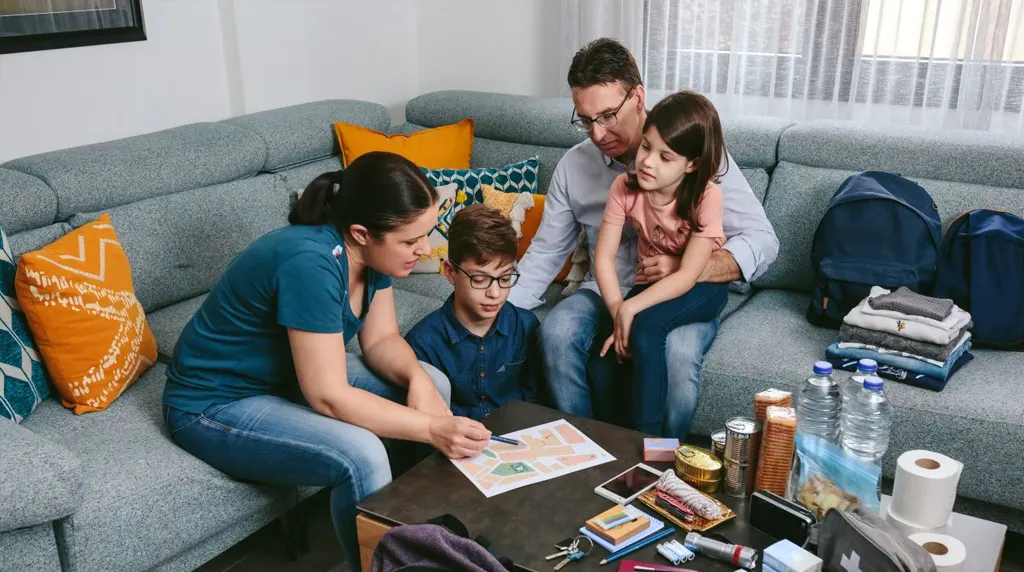
Create a Family Fire Escape Plan
Every family should:
- Know two ways out of each room if possible
- Choose a safe meeting place outside
- Practice the plan together
- Teach children not to hide during a fire
Make it a game when practicing — learning should feel safe.
Fire Safety Tools at Home
A safe home may include:
- Smoke alarms
- Fire extinguishers
- Fire blankets
- Small fire suppression tools for early-stage incidents
Tools should:
- Be easy to reach
- Be stored safely
- Be used only by adults
Teach, Don’t Frighten
Children learn best when:
- Safety is explained calmly
- Questions are encouraged
- Adults lead by example
Fire safety is about confidence, not fear.
Final Thoughts for Families
Fire safety is a shared responsibility.
By:
- Building good habits
- Staying aware
- Practicing simple plans
- Using safety tools responsibly
Families can reduce risk and feel more prepared — without worry.
About ZUFF
ZUFF supports fire safety education and develops compact fire suppression solutions intended to help with small, early-stage fires in modern home environments.
ZUFF products are designed to complement certified fire safety equipment, not replace emergency services.